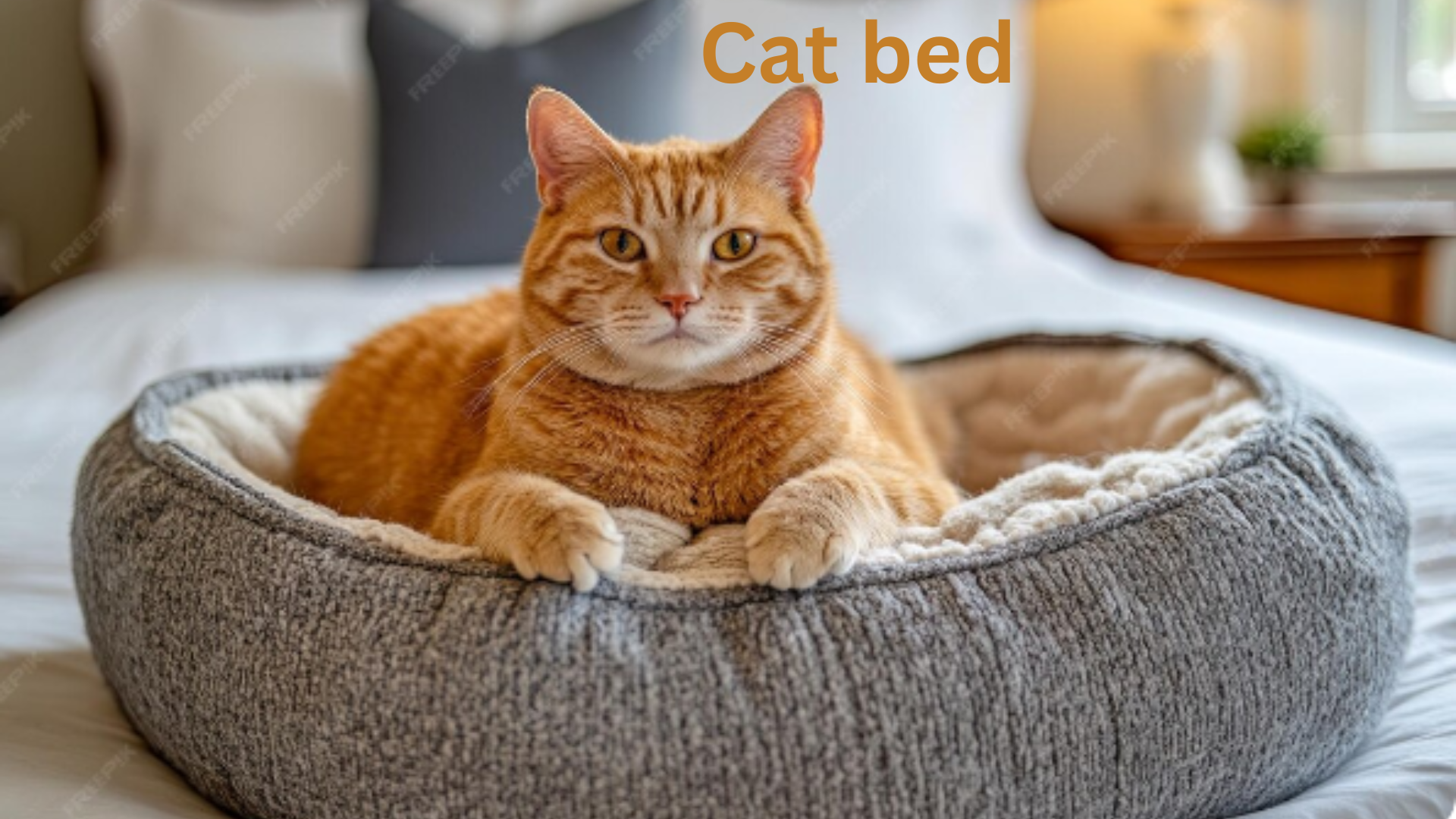


Introduction Cats are natural sleepers, often resting 12 to 18 hours a day. Quality sleep keeps them healthy, calm, a...
Read more- Home Home
- DOG DOG
- CAT CAT
- BIRD BIRD
- PET PET
- ACCESSORIES ACCESSORIES
- SALE SALE


Cats are more than pets—they’re family members with quirks, preferences, and distinct personalities. Every purr, head-bump, or playful paw swat reflects their joy and comfort in the home. One of the simplest ways cat parents show love is through cat treats and snacks. These little bites of happiness do more than satisfy cravings. They stimulate your cat’s mind, encourage healthy behavior, strengthen your bond, and support nutritional needs when chosen wisely.
Today’s pet market is overflowing with options: soft cat treats, chewy snacks, crunchy bites, grain-free formulas, and functional treats designed for specific health needs. While variety is great, it can also be overwhelming for cat parents trying to choose safe, tasty, and healthy options.
This comprehensive guide will help you understand the differences between treat types, what ingredients to look for, how often to treat your cat, and how to pick the perfect snack for your feline. By the end, you’ll have the confidence to choose treats that elevate both happiness and health—because a happy cat means a happy home.
Treats are more than indulgence—they are essential tools for emotional and behavioral development in cats. Here’s how
Rewarding your cat with tasty snacks during cuddles, grooming, or play helps reinforce trust and affection. Cats quickly learn that good behavior leads to tasty rewards, deepening the relationship.
Training & Positive Reinforcement
Contrary to popular belief, cats can be trained—especially with the right treats. Teaching commands like “sit,” “come,” or “high-five” becomes easier when rewards are involved. Chewy or bite-sized treats are ideal for quick repetition.
A bored cat can become destructive. Treat toys, puzzles, and hide-and-seek snack games support:
✔ Problem-solving
✔ Exercise
✔ Confidence boosting
✔ Preventing anxiety and depression
Some treats help with…
Dental care
Hairball management
Skin & coat nutrition
Hydration support
Digestive comfort
The right cat treats and snacks bring both joy and wellness—so it's worth being selective about what goes into your cat’s bowl.
Not all treats are created equal. Different textures and ingredients serve different purposes. Knowing the general categories will guide you to better decisions.
Soft treats are usually moist, aromatic, and easy to chew, making them ideal for:
Kittens still developing teeth
Senior cats experiencing dental sensitivity
Picky eaters who prefer meaty textures
They’re usually rich in meat flavors like chicken, tuna, or salmon. Because they’re soft, they’re great for training—cats can quickly chew and return attention to learning.

Deliciously soft and protein-rich tender boiled chicken treats made to satisfy your cat’s natural cravings.Perfect as a daily reward, offering real meat goodness with high digestibility.No artificial flavors or colors — just wholesome nutrition for happy, healthy cats.
Price : Dhs.11.70
Shop NowPros
Gentle on teeth
Rich aroma increases appeal
Easy to digest
Watch out for
Excess fillers and artificial preservatives
Higher calories than crunchy treats
Use soft bites in moderation for a joyful snack experience.
Chewy treats are slightly tougher and more satisfying to bite down on. They last a bit longer in a cat’s mouth and can support mental stimulation.
Ideal for
Cats who love texture and chewing
Reward-based training sessions
Cats who enjoy slow snacking
Benefits
Keeps cats engaged longer
Delicious meaty flavor profiles
May help lower anxiety through chewing
Many chewy treats mimic the taste and chew of real meat—perfect for cats with natural hunting instincts.
These are classic cat treats and snacks designed for more than flavor—they support oral health.

Crunchy, meat-rich bites made with fresh duck to satisfy your cat’s natural carnivore instincts.Infused with raspberries — a natural source of antioxidants for immune and urinary support.Grain-free, potato-free, and deliciously healthy for rewarding or daily snacking.
Price : Dhs.11.25
Shop NowDental benefits include
✔ Reducing plaque
✔ Scraping tartar
✔ Promoting fresher breath
While not a substitute for tooth brushing, they provide a helpful supplement for everyday oral hygiene.
Great picks for adult and aging cats who still have strong teeth.
Today’s pet parents are increasingly opting for grain-free formulas, especially when cats show
Food allergies
Digestion problems
Skin irritation
Frequent vomiting after grain-based food
Grain-free snacks focus on animal-based proteins as the primary ingredient.

High-protein jerky combining lean turkey and rabbit meat for a natural, grain-free treat with no cereals or fillers.Slow-dried to preserve flavor and nutrients — ideal as an occasional reward or snack for active dogs.Made without artificial colors, GMOs, or unnecessary additives, delivering pure meat goodness in every bite
Price : Dhs.27.00
Shop NowIdeal for
Cats with sensitive stomachs
High-protein nutrition seekers
More natural and biologically appropriate diets
Look for single-protein varieties like salmon only or chicken only when dealing with allergy-prone felines.
These treats are minimally processed and closest to a cat’s ancestral prey diet. Real meat, freeze-dried to lock in nutrients.
Advantages
Pure ingredients
High protein content
No fillers or artificial additives
Irresistible for picky cats
Examples
Freeze-dried chicken cubes
Salmon bites
Minnows (whole fish snacks)
These are perfect for cats with strong hunting instincts!
A modern favorite—creamy textures cats go wild for.
Ideal uses
Medication masking
Hydration support
Bonding moment feeding from a pouch or fingers
These treats often contain fish flavors like tuna, bonito, or sardines—highly stimulating for picky eaters.
Your cat depends entirely on you to make the right food decisions. Always check labels for nutritional quality.
Cats are obligate carnivores—they must eat meat to thrive.
Look for primary proteins such as
Chicken
Salmon
Tuna
Duck
Turkey
Essential for heart health, vision, and immune function. It must come from animal sources.
Support
Skin & coat shine
Joint health
Cognitive wellness
Fewer ingredients = fewer risks of irritation or allergies.
Corn, wheat, soy (possible allergens)
Artificial colors (like Red 40)
Excess sugars
Butylated preservatives (BHA/BHT)
High-salt formulas
Rule of paw: If you can't pronounce it… your cat shouldn't eat it
Each feline is unique—consider these factors:
|
Life Stage |
Ideal Treat Type |
Why |
|
Kitten |
Soft bites, creamy snacks |
Gentle on teeth & rich nutrients |
|
Adult Cat |
Chewy & crunchy treats |
Stimulates mind & aids teeth |
|
Senior Cat |
Soft or lickable |
Minimal chewing effort |
|
Condition |
Treat Choice |
|
Sensitive Stomach |
Grain-free, limited ingredient |
|
Dental issues |
Dental chews or soft treats |
|
Skin allergies |
Fish-based snacks with omega fats |
|
Obesity |
Low-calorie & portion-controlled |
Ask your veterinarian before adding new treats if your cat has medical conditions like diabetes or kidney disease.
Treats should not exceed 10% of daily calories. Overfeeding snacks can lead to:
Weight gain
Diabetes risk
Overdependency on treats
Behavioral issues like food stealing
During training
After grooming or nail trims (positive reinforcement)
During play for hunting satisfaction
Before bedtime as a bonding moment
Moderation keeps treats special—and your cat healthy.
Make snack time adventure time!
Puzzle Toys
Encourage problem-solving and natural hunting instincts.
Reward During Play
After chasing a toy mouse, reward with a treat—like real hunting!
Treat-Dispensing Toys
Slows down eating and prevents gulping.
Hide & Seek
Hide soft or crunchy bites around the house. Smelling and searching builds confidence and curiosity.
These strategies prevent boredom and make meals exciting.
In recent years, the world of cat treats has evolved rapidly. Today’s cat parents look for more than just tasty snacks — they want nutrition, health benefits, convenience, and variety. These emerging trends reflect changing attitudes toward pet care: treating cats more like family members.
One of the biggest trends: freeze-dried or lightly processed protein treats — often single-ingredient (like chicken, salmon, rabbit, liver, or other meats/organs). These treats aim to mimic a cat’s ancestral diet, giving high protein, strong natural flavors, and minimal processing.
Why They’re Popular
High nutritional value: Freeze-drying preserves much of the protein, amino acids (like taurine), vitamins and minerals — which can get diminished in heavily processed foods.
Species-appropriate diet: As obligate carnivores, cats thrive on animal protein rather than fillers or heavy carbohydrates. These treats deliver meat-based nutrition in a concentrated form.
Very appealing to cats: The aroma and flavor are intensified thanks to the freeze-drying process; even picky eaters often love them.
Convenience & shelf stability: Unlike raw meat, freeze-dried treats don’t require refrigeration and have a long shelf life — great for busy pet owners or travel.
How Owners Use Them
As high-value training rewards.
Crumbled over regular food to increase palatability or entice picky eaters.
For senior cats or cats with sensitive digestion, because the treats are often easy to digest and free from fillers.
Beyond just “tasty snacks,” many cat parents now prefer treats that offer additional health benefits — often targeting specific needs like digestive health, dental care, coat/skin care, or hairball control.
Examples & Benefits
Supplements via snacks: Some treats are enriched with omega-3 fatty acids, vitamins, minerals, or even joint-support ingredients like green-lipped mussels.
Dental health treats: Crunchy snacks or treats designed to help reduce plaque — a good supplement to regular dental care.
Sensitive-stomach / hypoallergenic formulas: Grain-free or single-protein treats help cats with food sensitivities or allergies avoid fillers and common irritants
Gastrointestinal & urinary health: Some freeze-dried or low-moisture treats — when fed correctly — can support digestive health and reduce urinary strain; though hydration remains important.
Why This Trend Matters
As more owners treat cats like family, there’s rising awareness of long-term health. Treats are no longer “just fun”; they’re tools for wellness — especially for indoor cats, senior cats, or those with health issues.
With increased awareness about food sensitivities and unnatural fillers, grain-free and low-carb treats have gained significant popularity. These options often avoid grains (like wheat, corn, rice) and instead use meat or novel protein sources.
Why People Choose Grain-Free
Some cats may have grain sensitivities or allergies (though true grain allergies are rare in cats).
Many owners believe grain-free feels more “natural” — more in line with a cat’s ancestral diet.
Less filler/carbohydrate content; more focus on protein and fat — generally better for carnivorous diet needs.
Cautions
Grain-free doesn’t always guarantee lower carbs — some “grain-free” treats substitute grains with other carbs (potato, peas, etc.).
Unless your cat has a known sensitivity or allergy, grain-inclusive treats may still be perfectly fine.
In short: grain-free treats are a valuable trend — but like all things, treat each cat individually.
With more options available than ever, owners often choose treats with novel proteins or varied meat sources to add diversity to their cat’s diet or to avoid repeated exposure to the same protein (especially useful if cats show signs of intolerance or sensitivity).
Why Variety Matters
Prevents flavor fatigue: cats can get bored if the food/treat is the same every day. Novel proteins keep things exciting.
Helps identify dietary sensitivities: rotating proteins helps you spot if any specific meat leads to digestive issues or allergic reactions.
Broadens nutrient profile: different meats/organs deliver different nutrients (fatty acids, vitamins, minerals), potentially improving overall health.
Another trending category: lickable or semi-moist treats — such as creamy pouches or soft bites. These are especially popular for:
Senior cats or cats with dental problems (chewing crunchy treats may be hard).
Hydration and hydration support — some moist treats encourage water intake.
Bonding moments — feeding by hand or fingers can enhance intimacy and reinforce trust.
Pet authors and treat producers often recommend these when administering medicine, helping with socialization, or rewarding calm behavior.
Modern pet parents often combine treats with enrichment toys, puzzle feeders, or slow-feeders — turning snack time into mental stimulation and “hunting play.”
Why This Trend is Growing
Indoor cats often lack natural hunting and stimulation. Treats hidden in toys mimic hunting and reward instincts.
Promotes physical activity, slows down fast eaters, and supports mental wellness.
Makes treat time more meaningful — not just “eat & forget,” but “work, sniff, hunt, reward.”
Rather than just dropping a treat in a bowl, pet owners now encourage cats to “earn” treats through play — better for mind and body.
As human food trends shift toward transparency, similar expectations are rising in pet treats. Modern cat owners often look for:
Clearly labelled, recognizable ingredients (e.g. “chicken,” “salmon,” “liver,” not vague “meat by-products”)
Sustainable or ethically sourced proteins — wild-caught fish, free-range poultry, responsibly farmed meats.
Minimal processing or preservatives — often opting for freeze-dried or air-dried over heavily processed treats.
This trend reflects growing owner awareness: they want to know exactly what’s going into their pet’s body, just like with their own food.
1. Are grain-free cat treats suitable for all cats?
Not necessarily. Grain-free is excellent for allergies or sensitivities—but if your cat digests grains fine, they can still enjoy balanced diets with grains.
2. Can kittens eat soft or creamy treats?
Yes! Soft and lickable snacks are ideal for growing kittens—just avoid high-salt and high-sugar options.
3. Which treats are best for dental health?
Crunchy treats designed to remove tartar are beneficial—look for VOHC-approved dental snacks.
4. How can I choose treats for a picky eater?
Try
Real meat soft bites
Creamy fish-based lickable treats
Freeze-dried pure protein snacks
Cats love strong aroma ≈ flavor!
5. Can treats replace regular cat food?
No. Treats are supplements, not complete meals. Always ensure a balanced cat diet is the main nutrition source.
Cat treats and snacks do much more than satisfy cravings — they nurture the emotional connection between you and your feline companion. Choosing the right treat can support training, encourage playful behavior, strengthen your bond, and even improve your cat’s health. Whether your cat loves soft bites, prefers chewy snacks, or needs grain-free options for sensitive digestion, the best treats are those aligned with their unique needs and personality.
As responsible pet parents, it’s essential to check ingredients, prioritize real protein, avoid unnecessary fillers, and practice moderation to maintain a balanced diet. When given thoughtfully, treats become powerful tools for enrichment and wellness — turning ordinary moments into purr-filled happiness.
With the right choices, you’re not just feeding a snack —
you’re creating joy, comfort, and a healthier life for the cat you love.

Introduction Cats are natural sleepers, often resting 12 to 18 hours a day. Quality sleep keeps them healthy, calm, a...
Read more
Introduction Cats may live indoors, but their instincts remain deeply connected to a life of climbing, scratching, ju...
Read more
Introduction Bringing home a new puppy is exciting, fun, and sometimes a little overwhelming. There’s a lot to learn...
Read more
Cats bring joy into our lives through their charming personalities, graceful movements, and surprising bursts of play...
Read more
Choosing the right cat collar may seem like a small detail in the world of pet care, but it’s one of the most signifi...
Read more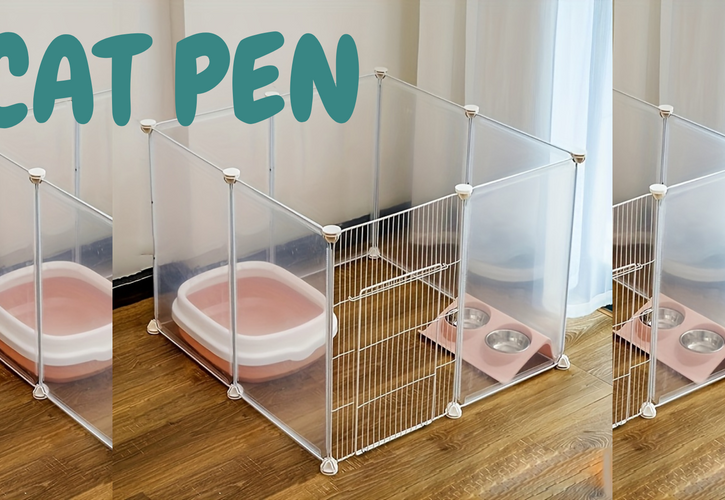
Introduction The Importance of Enrichment and Safety for Cats Whether your feline friend lives strictly indoors or oc...
Read more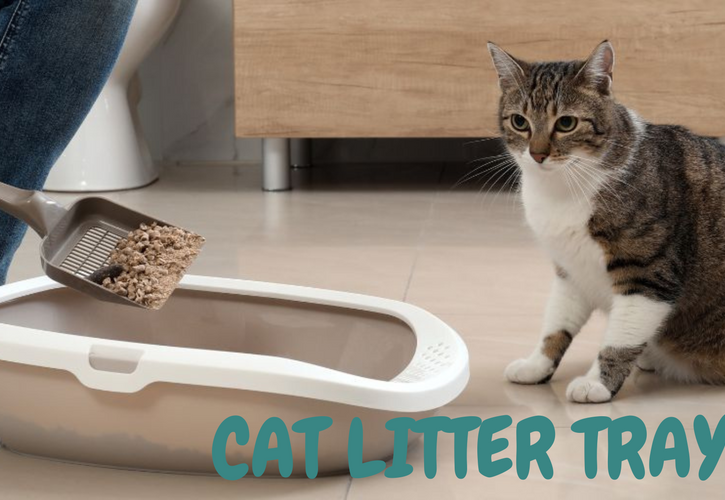
Introduction Ever walked into a room only to catch that unmistakable smell — and then realize your cat hasn’t used th...
Read more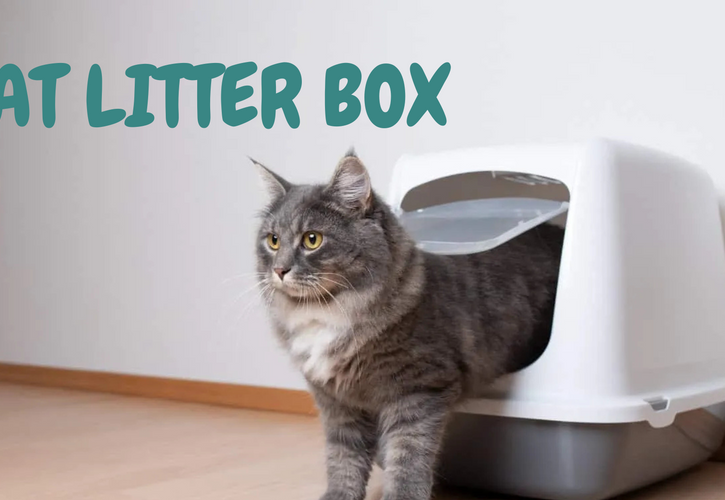
Introduction For cat lovers, sharing a home with a feline friend brings endless joy—but also one unavoidable challeng...
Read more
Introduction In recent years, grain-free cat food has gained immense popularity among pet owners who seek a more spec...
Read more
Introduction Maintaining a healthy weight is essential for a cat’s overall well-being, supporting their energy levels...
Read more
Introduction Welcoming a kitten into your home is an exciting experience, but ensuring they get the right nutrition i...
Read more
Introduction Cats are known for their sensitive digestive systems, and even minor dietary changes can cause stomach u...
Read more
Introduction Cats are known for their refined eating habits, but when a cat has a sensitive stomach, mealtime can qui...
Read more
Introduction Kittens are adorable, playful, and full of energy, but when they have sensitive stomachs, feeding them c...
Read more
Introduction Imagine coming home to find your cat has vomited again—or worse, is refusing to eat entirely. For pet ow...
Read more
Introduction As cats age, their dietary needs change significantly. Senior cats, particularly those with sensitive st...
Read more
Introduction Wet cat food is a nutritious and tasty option that many cat owners prefer over dry kibble. It provides e...
Read more
Introduction Canned cat food has become a popular choice for pet owners due to its convenience, long shelf life, and ...
Read more
Introduction Choosing the right wet cat food is one of the most important decisions for ensuring your feline friend’s...
Read more
Introduction When it comes to caring for your cat, ensuring the safety and quality of their food is just as important...
Read more
Introduction Finding the perfect canned cat food for your feline friend can be a daunting task. Whether your cat is a...
Read more
Introduction Proper storage of wet cat food is vital not only for your cat's health but also for reducing unnecessary...
Read more
Introduction Kittens grow at a remarkable pace during their first year, making proper nutrition critical to their dev...
Read more
Introduction Kittens experience rapid growth and development during their early months, making proper nutrition a cor...
Read more
Introduction As a cat parent, you know the importance of providing your feline friend with meals that are not only nu...
Read more
Introduction As a cat parent, ensuring your feline friend’s health and happiness starts with the basics—nutrition. A...
Read more
Introduction Cats are cherished companions, and their health and happiness hinge on proper nutrition. Wet cat food of...
Read more
Introduction Proper feeding is one of the most critical aspects of keeping your cat healthy and happy. Yet, many cat ...
Read more
Introduction: Cats are known for their unique dietary needs, and when digestive issues arise, they can leave even the...
Read more
Introduction As a cat owner, ensuring the health and happiness of your feline companion is a top priority—and that st...
Read more
Introduction Wet cat food is an essential part of many cats' diets, offering a high moisture content and rich nutrien...
Read more
Introduction Welcoming a kitten into your home comes with many responsibilities, and choosing the right food is one o...
Read more
Introduction Hydration plays a critical role in maintaining your cat’s overall health and wellbeing. Cats, unlike dog...
Read more
Introduction Kittens are bundles of energy and curiosity, growing rapidly from tiny furballs into graceful cats. To s...
Read more
Introduction Cats are more than just pets—they're family. As loving cat owners, ensuring their health and happiness s...
Read more