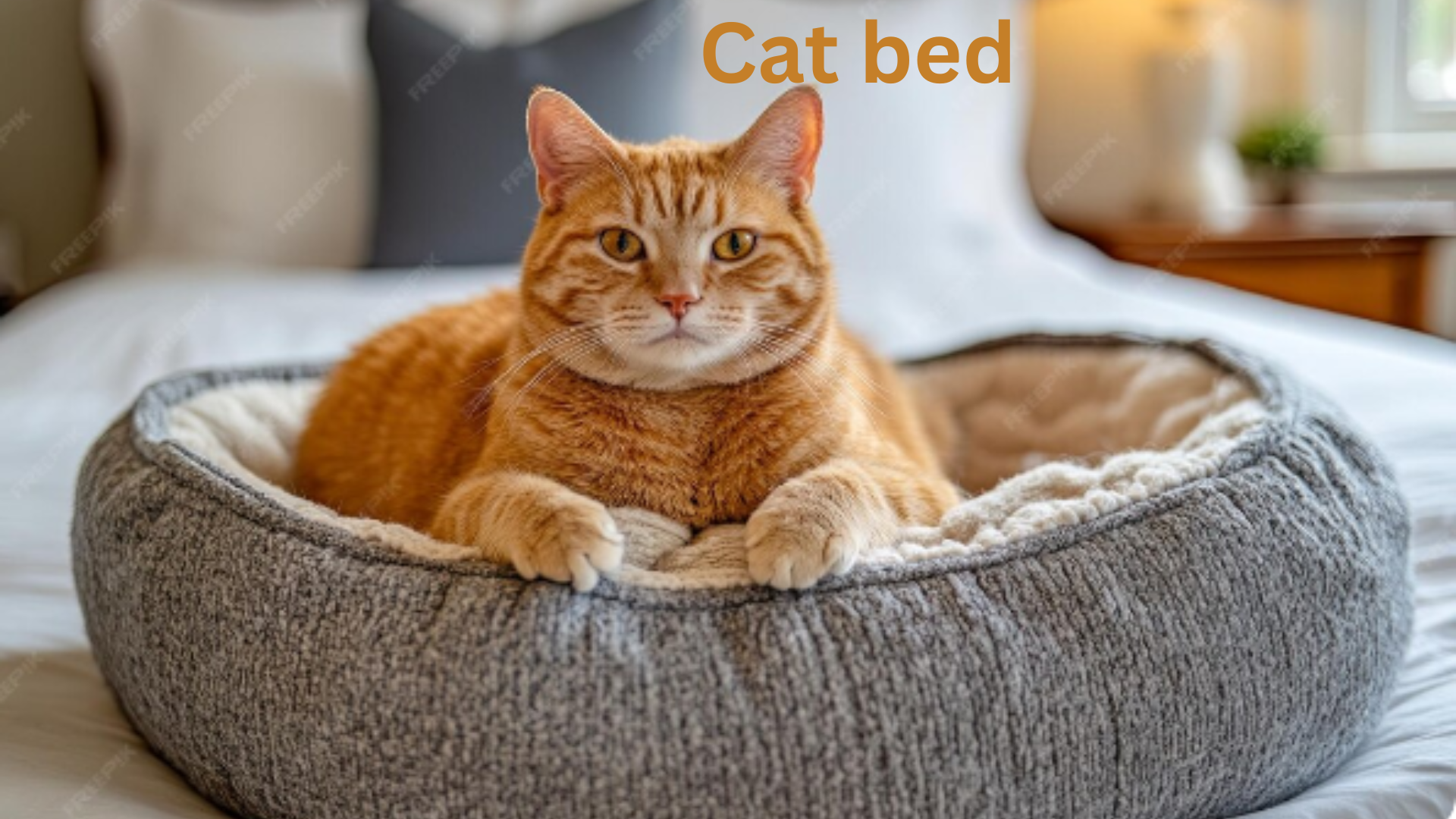


Introduction Cats are natural sleepers, often resting 12 to 18 hours a day. Quality sleep keeps them healthy, calm, a...
Read more- Home Home
- DOG DOG
- CAT CAT
- BIRD BIRD
- PET PET
- ACCESSORIES ACCESSORIES
- SALE SALE


Cats may live indoors, but their instincts remain deeply connected to a life of climbing, scratching, jumping and observing their surroundings from above. Even in a modern apartment or a cozy home, cats need elevated spaces that help them feel secure and in control of their territory. A cat house tree is a functional and beautifully designed structure that fulfills these needs while enhancing the interior aesthetic of your living space. More than just pet furniture, a cat house tree becomes a major enrichment hub in your cat’s daily life. It gives them a place to play when boredom strikes, a dedicated scratching zone that protects your furniture, and plush lounging spots for quiet relaxation.
Strength, comfort and design are the major elements that define a well-chosen cat tree. Strong platforms support climbing and jumping, plush materials promote deep rest and stress relief, and stylish finishes ensure that the cat tree complements the décor in your home rather than becoming an unappealing corner item. Today’s options allow cat parents to choose structures that look like elegant furniture, blend into minimal interiors, or even serve as eye-catching centerpiece décor. A well-designed cat house tree supports your cat’s physical health, satisfies their natural behavior patterns, and brings personality into your home.
This guide explores everything required to choose the ideal cat house tree. It explains why these structures are essential for indoor cats, what design details ensure maximum stability and safety, and how style and size influence both comfort and interior harmony. It also helps you select features that match your cat’s personality—whether they are active and adventurous, shy and private, or relaxed and sleepy. By the end, you will have complete clarity on how to build a cat-friendly home that keeps your feline happy, enriched and deeply connected to their environment every day.
Indoor cats depend heavily on their surroundings to stay mentally alert and physically active. Without opportunities to climb or explore different heights, they can become bored, anxious and less physically fit. A cat tree restores the vertical world that cats naturally crave. Climbing helps them feel secure while observing the room from an elevated position, giving them confidence and emotional stability. This reduces stress, especially in homes with guests, busy environments or other pets.

The FOFOS Carrot Cardboard Cat House offers a fun hideaway with a playful, veggie-themed design. Made with durable corrugated cardboard, it includes a built-in scratching pad to keep claws healthy and your furniture safe. Lightweight and easy to assemble, it’s perfect for cats who love scratching, hiding, and lounging. A cute and cozy addition that keeps boredom away.
Price : Dhs.56.70
Shop NowMovement is a key part of a cat’s wellness. Jumping to higher platforms, balancing on perches and scratching with their claws provides regular exercise that builds muscle tone, maintains joint flexibility and supports a healthy weight. For cats that do not go outdoors, these physical outlets are absolutely necessary to avoid lethargy and behavioral frustrations. A strong cat house tree serves as a personal fitness routine built directly into their living space.
Scratching is also a vital instinct that cats must fulfill every day. It keeps their claws healthy and allows them to mark territory through scent. When a cat has no approved scratching area, your sofa, carpets or curtains become the next available choice. A durable cat tree solves this by offering proper scratching posts that can withstand daily wear. This protects your furniture and provides a satisfying outlet for natural behaviors.
Emotional comfort is equally important. Cats need a place where they feel ownership and safety. A multi-level structure gives them the choice to interact with the household from above or hide in a cozy nook when they want solitude. Cats love having control over their environment, and a dedicated structure reduces stress, prevents territorial disputes in multi-pet homes and supports uninterrupted rest. With the right cat house tree, your home becomes a richer and more comforting habitat for your feline companion, filled with healthier routines and happier behavior.
Strength is one of the most important qualities to look for in a cat house tree. A stable and durable structure guarantees safe climbing, confident play and long-term use without wobbling or breaking. Cats naturally leap, jump and launch themselves from one platform to another, so a weak or flimsy design can lead to accidents and fear. The best cat house trees are engineered to feel solid and reliable the moment a cat steps on them. The base should always be wide and heavy enough to keep the entire structure firmly grounded, even when multiple cats use it at once or when a single cat jumps quickly from level to level.

The FOFOS Pineapple Cardboard Cat House brings tropical fun to your home with its adorable fruit-shaped design. Crafted from durable corrugated cardboard, it features a built-in scratching pad to satisfy natural clawing instincts. A comfy hideout that gives your cat a place to lounge, play, and scratch. Easy to set up and cute enough to brighten any room.
Price : Dhs.56.70
Shop NowMaterial quality plays a major role in overall strength. Cat trees built with real wood or high-grade plywood provide superior durability and hold up better over time compared to cardboard or thin particleboard options. Even the posts themselves must be thick enough to support climbing pressure without bending or loosening at the joints. Strong internal construction ensures that the cat tree remains safe even as it ages, especially in active households with playful cats.
Scratching surfaces are another crucial detail. Cats not only scratch to sharpen claws but also to stretch their bodies and mark their territory. The most durable scratching posts are wrapped in thick sisal rope or sisal fabric, which allows cats to dig their claws in deeply without quickly wearing down the material. Beds or padding that lose shape quickly reduce comfort, so premium cushioning with supportive foam helps maintain structure even after hundreds of naps. Every component should be designed to handle the natural strength and energy of a healthy cat while still feeling soft and welcoming.
A cat house tree can be a visually appealing addition to your home. Modern designs now prioritize elegance just as much as function, making it possible to place the structure in living rooms, bedrooms or any space where your décor matters. Instead of bright, mismatched fabrics, stylish cat trees use neutral colors, natural textures and clean lines that seamlessly blend into a contemporary home environment. Furniture-style cat trees resemble small lounges or decorative pieces rather than bulky toys, and they create a more refined look while still providing comfort.

The FOFOS Strawberry Cardboard Cat House adds a sweet twist to play and naptime. Made from sturdy corrugated cardboard, it includes a scratching pad to keep paws active and furniture protected. Its cozy interior offers a safe hideout for lounging and relaxation. Cute, fun, and easy to assemble—perfect for playful and curious cats.
Price : Dhs.56.70
Shop NowMinimalist Scandinavian-inspired styles are especially popular among cat parents who enjoy simplicity, soft colors and a peaceful interior atmosphere. Light wood finishes, subtle greys and beiges, and smooth fabric details allow these cat trees to complement furniture rather than clash with it. For homes with warm, earthy design themes, rattan or woven cat trees add a beautiful natural texture while giving cats breathable and cozy relaxation spots. Homes with modern luxury décor also benefit from elevated bed designs, curved shapes and premium upholstery that align with high-end furnishings already in place.
Stylish design also includes thoughtful placement within the home. A cat tree near a window becomes a lookout tower with sunshine and scenic views, enhancing enjoyment for your feline. A structure placed in a social area makes the cat feel included and confident while remaining comfortable and relaxed. When a cat house tree looks like part of your interior design vision, you feel proud to display it instead of hiding it away. This motivates more intentional placement, ultimately making the space better for your cat and more inviting for guests.
Whether living in a spacious home or a compact apartment, space efficiency matters. Many cat parents want their cats to have enriching play structures without sacrificing living room flow or clutter-free design. Manufacturers now create cat house trees that fit neatly into corners, extend vertically rather than horizontally and use unused space smartly. Tall and slim designs are perfect for small rooms because they offer height and multiple rest areas without occupying large floor spaces.
Wall-mounted cat trees are excellent choices for cats that love heights and adventure. These structures free up floor area completely and create climbing routes that keep cats fit and mentally stimulated. They also become stylish statement pieces on a wall, giving an artistic look while serving a functional purpose. For window-loving cats, perch-style beds that mount securely on windows allow sunbathing and sky-watching without requiring additional space elsewhere.
Homes with more room can consider multi-platform towers that act as a mini playground. These offer daytime lounging areas, high viewing spots and hidden cubbies for private naps. The beauty of cat house trees is versatility: a small space can benefit from a compact design that fits perfectly, while a larger home can host a premium tower that stands as a centerpiece for feline fun. The goal is balancing activity, comfort and design so your cat has a personalized home within your home, even if the overall footprint remains minimal.
While strength and style make a cat house tree appealing, comfort is what convinces your cat to actually use it every day. A well-designed cat tree supports hours of restful sleep, cozy lounging and peaceful observation. Soft cushions and plush surfaces help relax muscles and make cats feel protected while they unwind. Many premium designs include padded platforms, hammock-style loungers and private hideaway boxes that allow cats to choose how they want to rest at any moment. When a cat finds a surface soft, warm and inviting, that place quickly becomes their chosen sanctuary inside the home.
Cats enjoy both social and quiet time throughout the day. Having multiple resting spots built into the tree means they can nap close to family activity or retreat into a covered nook when they want privacy. Elevated rest areas help them oversee their surroundings while feeling secure from above, which is instinctively calming. For shy or anxious cats, covered cubbies provide a safe hiding spot that enhances emotional comfort. A variety of textures, shapes and spaces encourages cats to enjoy the structure with confidence and curiosity.
Temperature also influences how comfortable a cat feels. Breathable fabrics offer cooling comfort in warmer seasons, while plush bedding creates warmth in cooler or air-conditioned rooms. Soft edges and cushioned surfaces reduce pressure on sensitive joints, making the tree suitable for cats of every age. When comfort is prioritized, a cat tree becomes more than climbing furniture: it becomes the most beloved resting place in the entire home. A comfortable cat rests better, behaves better and feels happier with their environment.
Safety should always come first when choosing a cat tree. Cats jump with enthusiasm and change direction quickly, so the structure must remain stable under pressure. A solid base is essential to prevent tipping during sudden movement, especially on smooth flooring surfaces that are common in many homes. Strong joints, thick posts and reinforced construction ensure the tree remains secure even as cats grow heavier or become more active over time. When cats trust their furniture, they use it confidently, without hesitation or fear.
Materials need to be safe for close, daily contact. Cats sleep with their faces pressed against fabric and often lick their paws after scratching. Beds made with non-toxic fabrics, pet-safe dyes and eco-friendly filling protect them from harmful chemicals. Scratching posts should use durable sisal, as synthetic rope or thin carpeting breaks down quickly and creates loose fibers that may be ingested. Good design supports both health and hygiene.
Maintenance also influences safety and long-term usability. Cat furniture must be cleaned regularly, as fur, dust and oils accumulate over time. Removable and washable cushions make this easy, allowing the tree to stay fresh and inviting. Tightening screws and checking for wear every few months keeps the structure strong. Replaceable scratching posts extend the life of the furniture and continue to satisfy your cat’s clawing instincts. A clean and well-maintained cat tree is safer and more enjoyable, encouraging consistent daily use and preserving the beauty of your home.
Every cat has a unique personality that influences how they prefer to rest, play, and interact with their surroundings. Understanding these natural behaviors ensures that you select a structure they will truly appreciate and use every day. When a cat tree reflects their habits, confidence grows, destructive behavior reduces, and sleep becomes deeper and more peaceful.
Here’s how to choose based on common cat personalities:
Cats who love jumping to high places, exploring shelves, and staying elevated.
Best features
Tall, multi-level towers with varied heights
Strong platforms for landing and balance
Window perches and lookout spots for stimulation
Rope or ladder paths for agility challenges
Goal: Exercise + excitement + mental enrichment
Cats who nap more than they play and prefer casual lounging.
Best features
Lower platforms for easy access
Wide, soft resting beds
Plush surfaces that feel warm and soothing
Gentle inclines instead of high climbs
Goal: Comfort + cozy rest
Cats who hide during noise or when new guests visit.
Best features
Enclosed hideaways and covered boxes
Tunnels or privacy pods
Placement in quiet corners
Lower entries to reduce stress
Goal: Security + confidence building
Big breeds (like Maine Coons) or solidly built adult cats.
Best features
Extra-wide platforms
Solid wood or thick MDF construction
Thick, stable posts that prevent wobbling
Strong joints and reinforced bases
Goal: Full-body support + stability
Playful and curious cats with endless energy.
Best features
Multiple climbing challenges
Jump-friendly levels close together
Scratching posts to prevent furniture damage
Hammocks and fun textures to explore
Goal: Energy release + safe adventure
Older cats need support and comfort more than height.
Best features
Easy, low-step access
Orthopedic padding for joints
Ramps instead of big jumps
Stable base for confidence
Goal: Gentle comfort + safe movement
Where you place a cat house tree can significantly influence how frequently your cat uses it. Cats are naturally drawn to spaces where they feel both comfortable and socially connected. Positioning the tree in a room where the family spends time helps cats stay involved in daily life while enjoying their own perch. A location near a window is especially appealing because cats love sunlight, fresh air from slightly opened windows, and watching outdoor activity. This transforms the tree into a relaxing observation spot that stimulates curiosity and keeps your cat entertained for hours.
It is also helpful to place the tree near areas your cat already enjoys. If your cat consistently rests on a sofa corner or favors a particular room, placing the tree there creates a smooth transition into using the new space. Avoid areas that are loud, cramped or near heavy foot traffic, as cats value peaceful relaxation where they feel unbothered. In multi-cat homes, place trees in shared areas to reduce territorial conflict and give all cats equal access to high resting spots.
Lighting also plays a role in comfort and enrichment. Sunbeams flowing through windows create warm resting areas on higher platforms. Meanwhile, nighttime use improves if the tree is placed where cozy ambient light gives cats a sense of comfort after dark. For aesthetic balance, choose spots that maintain open walkways and visual flow within your home. When well-positioned, the cat house tree becomes a natural part of the living space, bringing activity, height and harmony without disrupting your interior décor.
1. What type of cat house tree do most cats prefer?
Most cats love multi-level trees that offer both high perches and cozy hideouts. Platforms, hammocks and cubbies provide multiple options for resting based on their mood and comfort needs. Cats instinctively enjoy height, so structures that allow climbing and elevated viewing points are almost always a favorite.
2. How do I choose the right size of cat house tree?
Size depends on your home layout and your cat’s mobility. Tall, slim trees fit well in smaller rooms and give cats valuable vertical enrichment. Larger homes can accommodate wider platforms and more complex structures. If your cat is big or heavy, choose wider beds and thicker posts to ensure safety and comfort.
3. Do cat house trees help reduce behavior problems?
Yes. By offering scratching posts, elevated relaxation spaces and places for physical exercise, cat trees help reduce furniture damage, anxiety and boredom-related misbehavior. They improve mental engagement and give cats a personal territory they can depend on each day.
4. How do I maintain and clean a cat house tree?
Regular cleaning keeps the cat tree fresh and safe. Remove loose fur weekly, wash removable cushions when needed, and check stability by tightening screws occasionally. Replace scratching posts when they become worn to ensure ongoing satisfaction and safety.
5. How can I encourage my cat to start using the tree?
Introduce the tree gradually by placing familiar scents such as a favorite blanket or small toy inside. Positive reinforcement with gentle praise or treats helps create a welcoming feeling. Position the tree in an area your cat already enjoys to increase their interest and comfort.
A cat house tree is one of the most valuable investments you can make for your feline family member. It transforms the indoor lifestyle into something enriching, confidence-building and deeply satisfying. With a well-chosen structure, your cat gains a complete sanctuary that supports their instincts and personal comfort. Strength ensures the tree remains stable and safe no matter how playful or active they are. Softness and comfortable resting areas give them places to unwind, bathe themselves, and recharge for their next burst of energy. Stylish design keeps your home environment beautiful and aligned with your personal taste.
Cat house trees also strengthen the bond between you and your cat. By providing a dedicated space where they feel supported and understood, you improve their emotional well-being and daily happiness. Your cat becomes calmer, healthier and more connected to the home you share. Whether your living space is large or compact, there is a strong and stylish cat house tree that will fit perfectly and bring new joy into your cat’s routine.
Through careful selection, thoughtful placement and regular maintenance, your cat tree will become a centerpiece of comfort and entertainment. It serves as their lookout tower, their playground, their scratching post and their favorite napping spot. When cats thrive indoors, they express more affection, more personality and more life. A beautiful and sturdy cat house tree is not just furniture—it is a gift of joy, adventure and comfort that lasts for many years ahead.

Introduction Cats are natural sleepers, often resting 12 to 18 hours a day. Quality sleep keeps them healthy, calm, a...
Read more
Introduction Bringing home a new puppy is exciting, fun, and sometimes a little overwhelming. There’s a lot to learn...
Read more
Cats bring joy into our lives through their charming personalities, graceful movements, and surprising bursts of play...
Read more
Introduction Cats are more than pets—they’re family members with quirks, preferences, and distinct personalities. Eve...
Read more
Choosing the right cat collar may seem like a small detail in the world of pet care, but it’s one of the most signifi...
Read more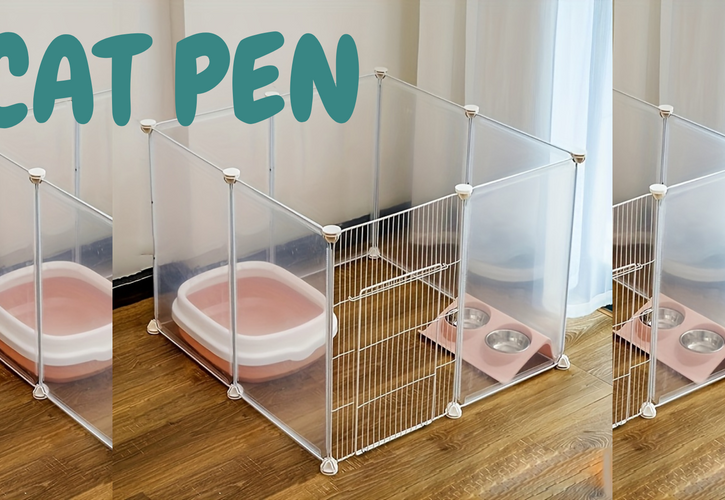
Introduction The Importance of Enrichment and Safety for Cats Whether your feline friend lives strictly indoors or oc...
Read more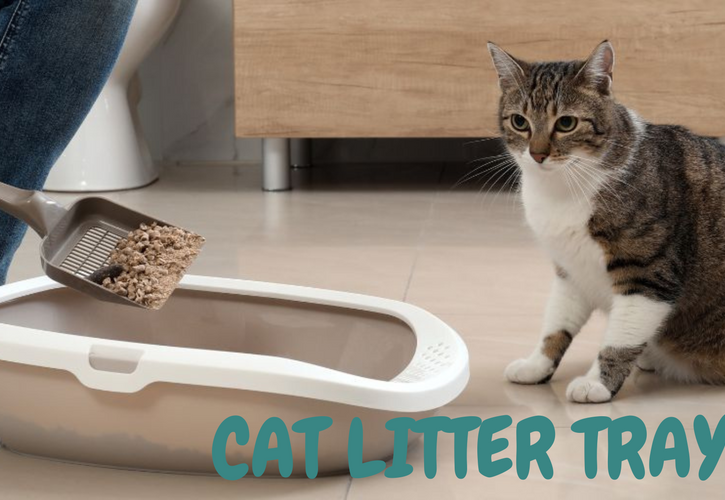
Introduction Ever walked into a room only to catch that unmistakable smell — and then realize your cat hasn’t used th...
Read more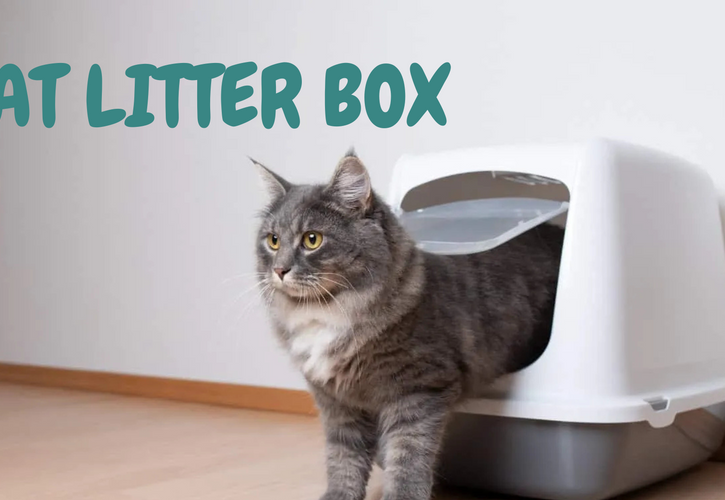
Introduction For cat lovers, sharing a home with a feline friend brings endless joy—but also one unavoidable challeng...
Read more
Introduction In recent years, grain-free cat food has gained immense popularity among pet owners who seek a more spec...
Read more
Introduction Maintaining a healthy weight is essential for a cat’s overall well-being, supporting their energy levels...
Read more
Introduction Welcoming a kitten into your home is an exciting experience, but ensuring they get the right nutrition i...
Read more
Introduction Cats are known for their sensitive digestive systems, and even minor dietary changes can cause stomach u...
Read more
Introduction Cats are known for their refined eating habits, but when a cat has a sensitive stomach, mealtime can qui...
Read more
Introduction Kittens are adorable, playful, and full of energy, but when they have sensitive stomachs, feeding them c...
Read more
Introduction Imagine coming home to find your cat has vomited again—or worse, is refusing to eat entirely. For pet ow...
Read more
Introduction As cats age, their dietary needs change significantly. Senior cats, particularly those with sensitive st...
Read more
Introduction Wet cat food is a nutritious and tasty option that many cat owners prefer over dry kibble. It provides e...
Read more
Introduction Canned cat food has become a popular choice for pet owners due to its convenience, long shelf life, and ...
Read more
Introduction Choosing the right wet cat food is one of the most important decisions for ensuring your feline friend’s...
Read more
Introduction When it comes to caring for your cat, ensuring the safety and quality of their food is just as important...
Read more
Introduction Finding the perfect canned cat food for your feline friend can be a daunting task. Whether your cat is a...
Read more
Introduction Proper storage of wet cat food is vital not only for your cat's health but also for reducing unnecessary...
Read more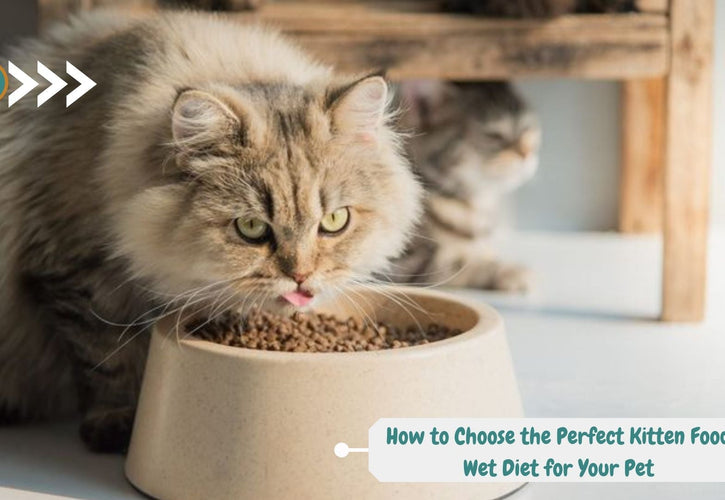
Introduction Kittens grow at a remarkable pace during their first year, making proper nutrition critical to their dev...
Read more
Introduction Kittens experience rapid growth and development during their early months, making proper nutrition a cor...
Read more
Introduction As a cat parent, you know the importance of providing your feline friend with meals that are not only nu...
Read more
Introduction As a cat parent, ensuring your feline friend’s health and happiness starts with the basics—nutrition. A...
Read more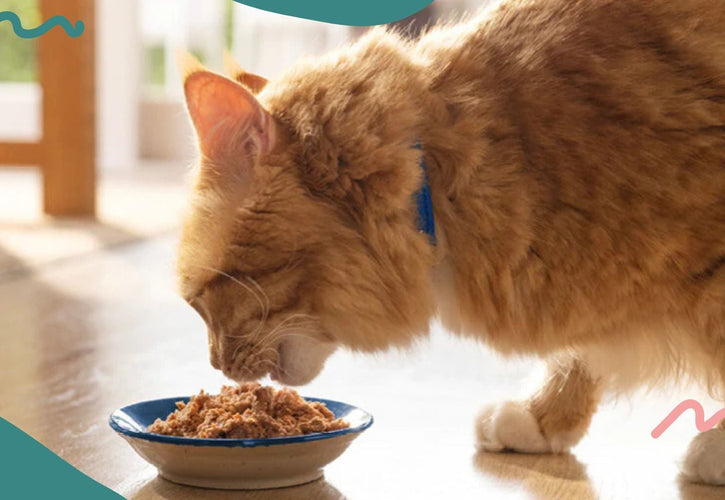
Introduction Cats are cherished companions, and their health and happiness hinge on proper nutrition. Wet cat food of...
Read more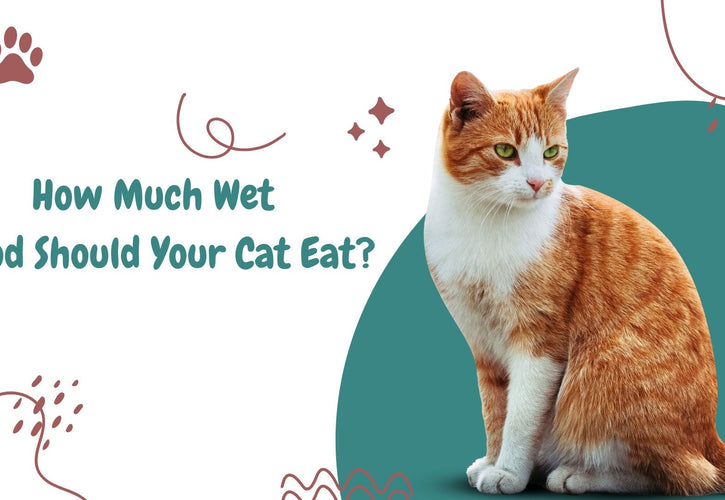
Introduction Proper feeding is one of the most critical aspects of keeping your cat healthy and happy. Yet, many cat ...
Read more
Introduction: Cats are known for their unique dietary needs, and when digestive issues arise, they can leave even the...
Read more
Introduction As a cat owner, ensuring the health and happiness of your feline companion is a top priority—and that st...
Read more
Introduction Wet cat food is an essential part of many cats' diets, offering a high moisture content and rich nutrien...
Read more
Introduction Welcoming a kitten into your home comes with many responsibilities, and choosing the right food is one o...
Read more
Introduction Hydration plays a critical role in maintaining your cat’s overall health and wellbeing. Cats, unlike dog...
Read more
Introduction Kittens are bundles of energy and curiosity, growing rapidly from tiny furballs into graceful cats. To s...
Read more
Introduction Cats are more than just pets—they're family. As loving cat owners, ensuring their health and happiness s...
Read more